
Wind-Damaged Shingles: How to Spot It & What to Do After the 12/17/25 Front Range Winds
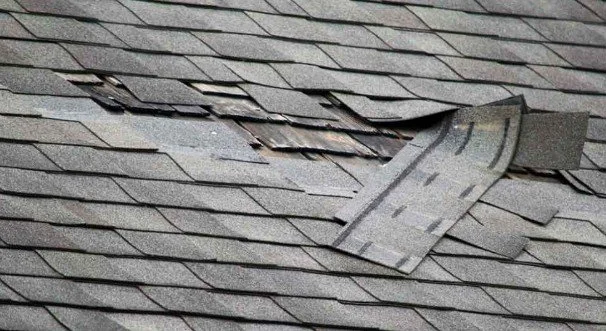
High winds that rip through Colorado’s Front Range — especially the powerful event on December 17, 2025 that left tens of thousands without power — can wreak havoc on roofs as easily as they down power lines. Asphalt shingles are a home’s first line of defense against the elements, and wind damage to them isn’t always obvious from the ground.
Here’s how homeowners can spot wind damage early and what to do next.
How Wind Damages Shingles
Strong gusts — like the 80-100+ mph winds reported along the Front Range during the recent storm — can cause shingles to:
Curl, lift, or crease when the adhesive seal breaks.
Tear or warp under pressure, especially along edges, hips, and ridges.
Lose granules — the tiny mineral surface that shields shingles from UV and weather. You may see these in gutters or downspouts.
Go missing entirely, exposing the underlayment and roof deck beneath.
Even if shingles aren’t ripped off, broken seals allow wind-driven rain and snow to get underneath, which can lead to leaks.
Signs to Look For After High Winds
When checking your roof after a major wind storm:
From the Ground
Shingles or shingle pieces on the ground around your home.
Granules in gutters — a sign shingles are deteriorating.
Debris lodged near roof edges or in valleys.
From a Safe, Close-Up View
Lifted or curled shingles — especially at edges.
Creases or bent shingles, which often indicate wind uplift.
Missing shingles or exposed underlayment.
Visible roof deck — a serious concern.
⚠️ Safety note: Don’t climb roofs yourself if you’re not experienced — it’s risky, especially after a storm.
Hidden Damage to Watch For
Sometimes roof damage doesn’t show right away. Keep an eye out in the days after a storm for:
Ceiling stains or new water spots.
Attic moisture or musty odors.
Increased heating bills or drafts near attic areas (could mean compromised insulation or leaks).
What to Do If You Think Your Roof Was Damaged
1. Document Everything
Take photos of damage from multiple angles.
Save pictures of shingles, granules in gutters, and any interior spots.
This helps if you file an insurance claim later.
2. Call a Professional Roof Inspector
AquaDuct Roofing & Exteriors can safely assess:
The extent of wind damage.
Whether repair or replacement is needed.
What might be hiding beneath the surface.
3. Contact Your Insurance Company
Wind damage is often covered under standard homeowner policies. Your documentation and a professional report will make claims processing smoother.
4. Schedule Repairs Promptly
Delaying repairs:
Increases the risk of water infiltration.
Can turn a shingle repair into costly deck or structural damage.
Why Acting Sooner Matters
Even minor wind damage can:
Shorten the life of your roof.
Lead to leaks in future precipitation.
Compromise insulation and energy efficiency.
In areas like the Front Range — where powerful wind events are possible even in winter — checking your roof after major storms should be part of your home maintenance routine.
If you suspect wind damage after the December 17 Front Range windstorm, reach out to AquaDuct Roofing & Exteriors for a full inspection and repair estimate. We’ll help ensure your roof stays strong through Colorado’s next big weather test.
New Gutter Installation with Leaf Guards in 80919: A Low-Maintenance Solution for Long-Term Protection
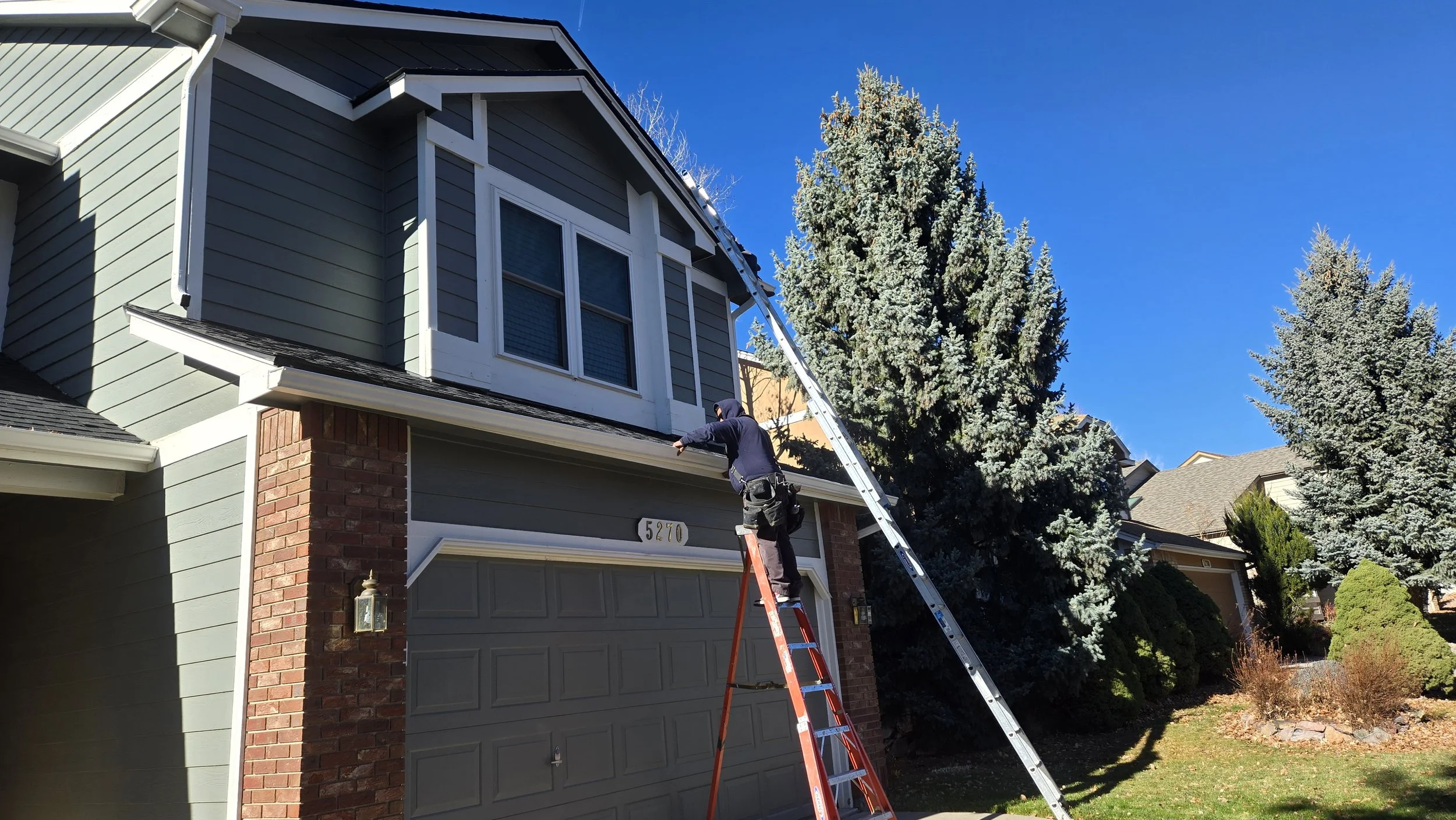
At AquaDuct Roofing & Exteriors, many of our projects are about more than just gutters — they’re about making homes safer, easier to maintain, and more comfortable for the people who live in them. A recent gutter installation in zip code 80919 is a perfect example.
The Homeowner’s Goal: No More Climbing Ladders
The homeowner reached out to AquaDuct with a simple concern:
As he’s gotten older, cleaning gutters has become difficult and unsafe, and he wanted a solution that would eliminate the need for routine maintenance.
Climbing ladders, removing debris, and dealing with clogged gutters can be risky — especially in Colorado, where falling leaves, pine needles, and spring runoff can quickly block a gutter system.
AquaDuct Roofing & Exteriors installed a brand-new gutter system designed for durability and proper water flow, paired with high-quality gutter leaf guards.
This setup:
Prevents leaves, pine needles, and debris from entering the gutters
Allows rain and snowmelt to flow freely
Reduces the risk of clogs and overflow
Eliminates the need for regular gutter cleaning
The leaf guards are securely attached and designed to withstand Colorado’s wind, snow, and freeze-thaw cycles.
With the new gutter and leaf guard system in place, the homeowner can now:
Avoid climbing ladders altogether
Have peace of mind during storms and snowmelt
Protect the home’s foundation, siding, and landscaping
Enjoy a low-maintenance solution built to last
Most importantly, the homeowner no longer has to worry about gutter maintenance as a regular chore.
Leaf guards are especially beneficial for:
Homeowners who want less maintenance
Properties surrounded by trees
Anyone concerned about ladder safety
Homes prone to gutter clogs or overflow
They’re a simple upgrade that delivers long-term value and convenience.
Gutter Installation Experts in 80919
If you’re considering new gutters or want to eliminate the hassle of cleaning them year after year, AquaDuct Roofing & Exteriors offers professional gutter installations with reliable leaf guard options.
Contact AquaDuct Roofing & Exteriors today to schedule a gutter inspection or estimate and find the right low-maintenance solution for your home.
Why Homeowners in 80831 Are Choosing Owens Corning Duration Storm Class 4 Shingles After a June Hailstorm
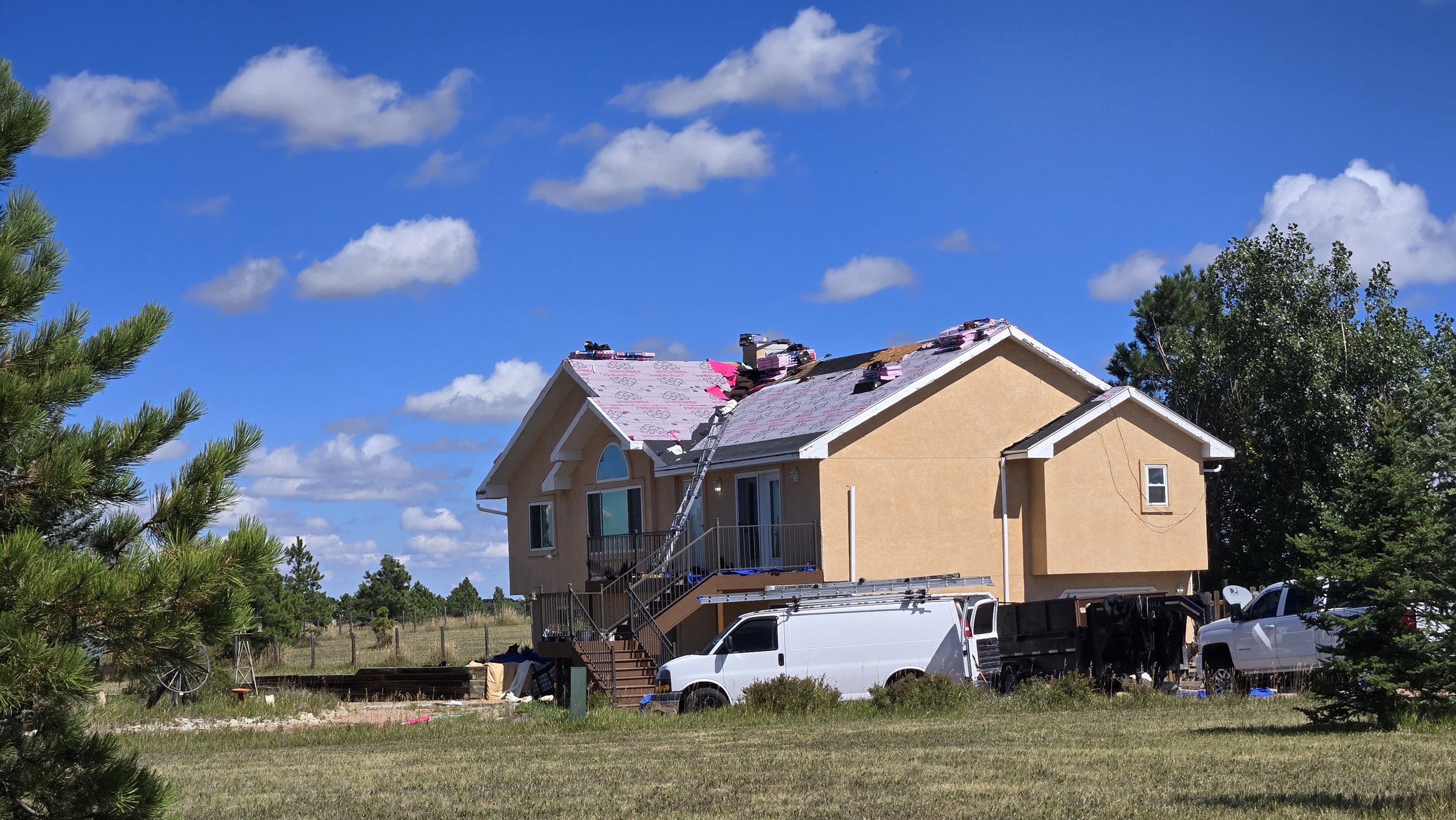
Owens Corning Duration Storm Installation
June brought some intense weather to the 80831 area — including a hailstorm that left many roofs with visible damage and raised questions about long-term protection. At AquaDuct Roof and Gutters, we know Colorado’s hail season can be unpredictable, and choosing the right roofing materials matters. That’s why so many homeowners are upgrading to Owens Corning Duration Storm Class 4 shingles when repairing or replacing their roof.
What Makes Class 4 Impact-Resistant Shingles Worth It?
When a hailstorm strikes — especially with hail that’s larger than ¾″ — standard shingles can crack, dent, or lose granules, which ultimately shortens the life of your roof and increases the likelihood of leaks. Even roof damage that looks cosmetic can lead to bigger issues later.
Owens Corning Duration Storm shingles are engineered to address exactly this problem. They carry a UL 2218 Class 4 impact resistance rating, the highest possible rating for asphalt shingles, meaning they’re tested to resist significant impacts — like large hailstones — far better than standard shingle options.
This extra resistance isn’t just a technical number:
Fewer cracks and chips from hail and debris
Reduced need for frequent repair calls
Better protection of your home’s interior from water intrusion
If you’re repairing damage from the June hailstorm, this is the kind of quality upgrade that can help your home withstand the next storm.
Benefits Beyond Hail Protection
Class 4 shingles aren’t just tougher — they bring additional advantages that matter in Colorado’s climate:
High wind resistance: Duration Storm shingles resist winds up to 130 mph, an essential feature in areas that often see late-season thunderstorms and strong gusts.
Enhanced water protection: The combination of SureNail® fastening technology and WeatherGuard® materials helps seal your roof more tightly, reducing leaks and water damage.
Attractive curb appeal: These shingles come in a variety of colors and blends, so you don’t have to sacrifice aesthetics for performance.
Potential insurance savings: Many insurance providers offer discounts for roofs with Class 4 impact-resistant shingles due to their reduced risk of hail damage — something to check with your agent when planning a roof replacement.
Real Storms, Real Protection
Colorado’s hail season can be brutal, and by the time June rolled around this year in 80831, many homeowners saw firsthand how a storm can impact roofs, gutters, siding and more. At AquaDuct Roofing and Exteriors, we believe in future-proofing your home. Switching to Owens Corning Duration Storm Class 4 shingles isn’t just a repair — it’s an investment in durability, peace of mind, and long-term protection against hail, wind and weather extremes.
Call for a Free Roof Inspection Before Contacting Your Insurance Company
After a hailstorm, it’s tempting to call your insurance company right away — but that isn’t always the best first step. Before filing a claim, homeowners in 80831 should schedule a free professional roof inspection with AquaDuct Roofing and Exteriors.
Our experienced inspectors know exactly what hail damage looks like on Colorado roofs and can identify issues that aren’t always obvious from the ground. We’ll document any storm-related damage, explain your options clearly, and help you determine whether filing an insurance claim makes sense before it’s on your record.
Why start with AquaDuct?
No-obligation inspections
Honest assessment of hail damage
Photo documentation you can use if you file a claim
Guidance on whether repair or full replacement is appropriate
Calling us first puts you in control of the process and helps you avoid unnecessary claims or surprises later. If your roof was impacted by the June hailstorm, a quick inspection can provide peace of mind — and potentially save you time and money.
Ice Dams: What They Are, Why They’re a Problem, and How to Prevent Them
It all begins with an idea.
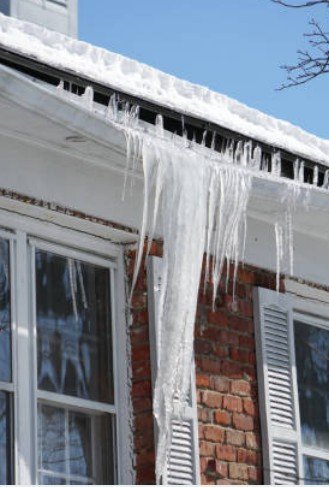
Colorado winters bring heavy snow, freezing temperatures, and big swings between day and night — the perfect conditions for ice dams to form on homes along the Front Range. While they may look harmless at first, ice dams can cause serious and costly damage if left unchecked.
Here’s what homeowners should know about ice dams, how to prevent them, and when to call a professional.
What Is an Ice Dam?
An ice dam forms when snow on your roof melts, flows down toward the eaves, and then refreezes near the edge of the roof. Over time, this refrozen water builds up into a ridge of ice.
As the ice dam grows, it blocks melting snow from draining properly, forcing water to back up underneath shingles and into the roof system. This can lead to leaks, damaged insulation, and interior water damage — even when the roof itself appears to be in good condition.
Why Ice Dams Form
Ice dams are usually caused by uneven roof temperatures, not just cold weather. Common contributors include:
Heat escaping from the attic, warming the upper roof surface
Poor or insufficient insulation
Inadequate attic ventilation
Heavy snow accumulation followed by freeze–thaw cycles
When the upper roof warms enough to melt snow but the eaves stay cold, ice dams are likely to form.
Problems Ice Dams Can Cause
Ice dams are more than a nuisance. They can cause:
Roof leaks as water is pushed under shingles
Damaged insulation, reducing energy efficiency
Stained ceilings and walls
Mold and mildew growth
Rotting roof decking and fascia
Gutter damage or failure
In many cases, the damage continues long after the ice melts — often going unnoticed until spring.
Signs You May Have an Ice Dam
Watch for these warning signs during winter:
Thick ice buildup along roof edges or gutters
Icicles forming unevenly or excessively
Water stains on ceilings or exterior walls
Peeling paint near rooflines
Damp or frosty attic insulation
If you notice any of these, your roof may already be at risk.
How to Prevent Ice Dams
The most effective way to prevent ice dams is by addressing the root causes, not just the ice itself.
Improve Attic Insulation
Proper insulation helps keep heat inside your home and prevents snow from melting unevenly on your roof.
Ensure Proper Ventilation
Balanced intake and exhaust ventilation keeps roof temperatures consistent and reduces freeze–thaw cycles.
Seal Air Leaks
Sealing gaps around vents, chimneys, and attic access points stops warm air from escaping into the attic.
Maintain Gutters
Clear gutters allow melting snow to drain properly before refreezing.
Install Ice & Water Shield
This waterproof membrane adds extra protection under shingles at eaves and valleys — a critical defense in Colorado’s climate.
Why a Professional Inspection Matters
Ice dams often indicate hidden roofing or attic issues that aren’t visible from the ground. A professional inspection can identify:
Insulation deficiencies
Ventilation problems
Roof or flashing vulnerabilities
Early signs of water intrusion
At AquaDuct Roofing & Exteriors, we provide thorough winter and post-winter inspections to help homeowners catch problems early — before they turn into costly repairs.
Schedule an Ice Dam or Winter Roof Inspection
If you’ve experienced ice buildup this winter or want to prevent problems before the next storm, AquaDuct Roofing & Exteriors is here to help.
Our experienced team understands Colorado weather and builds roofing systems designed to withstand it.
Contact AquaDuct Roofing & Exteriors today to schedule a roof inspection and protect your home through the rest of winter and beyond.
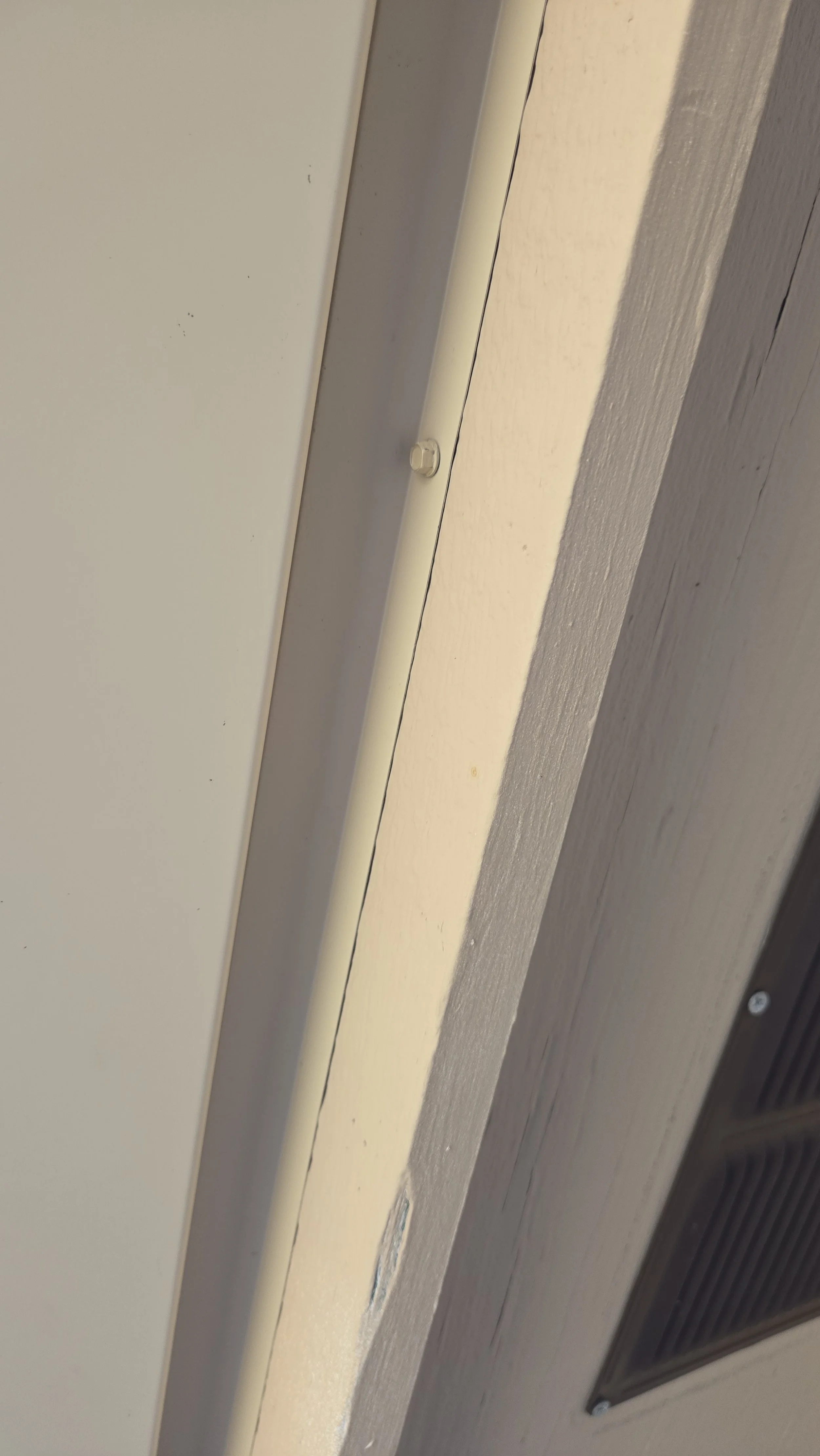
Custom Gutter Installation in 80132: Solving a Slanted Fascia the Right Way
It all begins with an idea.
At AquaDuct Roofing & Exteriors, no two homes — or gutter installations — are ever exactly the same. A recent gutter project in zip code 80132 is a perfect example of how thoughtful craftsmanship and custom solutions can make a major difference in both performance and appearance.
This home featured a slanted fascia board, a design detail that often creates problems for standard gutter installations. In many cases, contractors rely on plastic or metal gutter wedges to correct the angle. While wedges can work, they often:
Look bulky or mismatched
Create visible gaps behind the gutter
Detract from the home’s curb appeal
For this homeowner, a clean, seamless look was just as important as proper drainage.
The AquaDuct Solution: Custom Fabricated Metal Support
Rather than using unsightly gutter wedges, the AquaDuct team fabricated a custom metal backing piece specifically designed for the home’s fascia angle.
This custom solution allowed us to:
Create a level, properly sloped gutter system
Fully support the gutters along the fascia
Maintain a sleek, seamless appearance
Eliminate gaps and uneven lines
Because the metal was fabricated to fit the home exactly, the final installation blends naturally with the structure — looking like it was always part of the original design.
The Result: Clean Lines, Strong Support, Long-Term Performance
The finished gutter system provides:
Efficient water flow away from the home
Strong, durable support without visible add-ons
A high-end, custom appearance that enhances curb appeal
Most importantly, the homeowner received a solution that not only looks better than standard wedge installations, but also performs better over time.
Why Custom Gutter Work Matters
Every home has unique architectural details, and gutters should be installed with those details in mind. Custom fabrication allows AquaDuct Roofing & Exteriors to:
Solve structural challenges correctly
Avoid shortcuts that compromise appearance
Deliver long-lasting, professional results
This project in 80132 highlights our commitment to doing the job right — even when it requires a custom approach.
Gutter Installation Experts in 80132
If your home has:
Slanted or uneven fascia
Previous gutter issues
A need for a cleaner, more polished look
AquaDuct Roofing & Exteriors can design a solution that fits your home — not a one-size-fits-all system.
Contact us today to schedule a gutter inspection or installation and see what a custom approach can do for your home.